
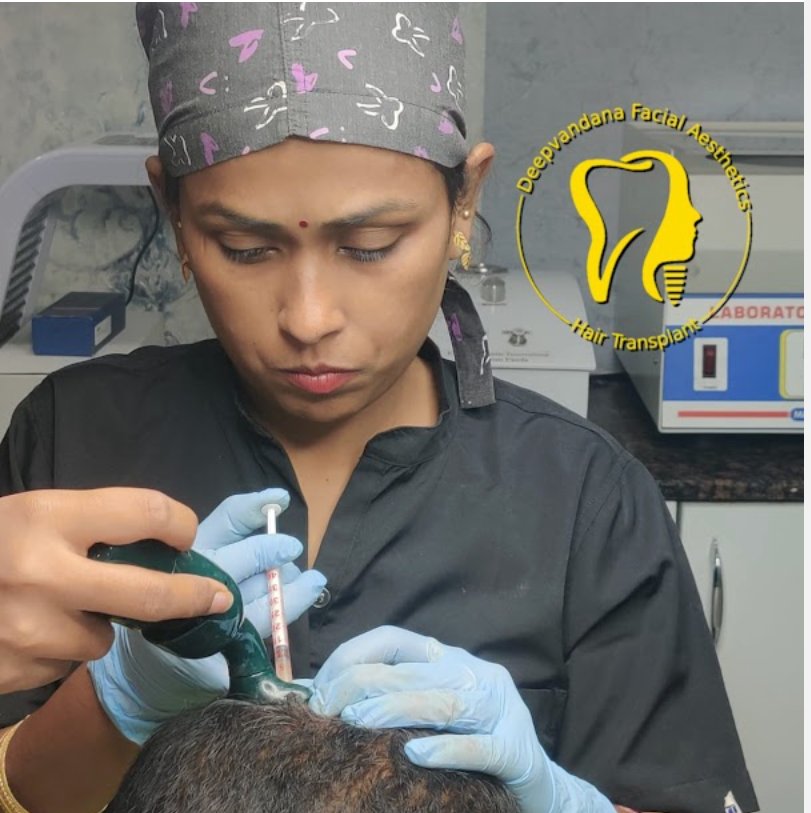
What is this treatment?
Anti-dandruff treatment starts by understanding scalp type, triggers and severity. The plan may include medicated care, routine changes and follow-up if symptoms keep returning.
Comfort-first planning
We explain what you may feel, how long it may take and how comfort is managed before treatment begins.
Numbing support where suitable
For procedures that need it, local anaesthesia or numbing support is planned by the doctor.
Private, calm experience
Consultations are handled discreetly with time to ask questions before deciding.
Clean, sophisticated care
The experience is intentionally calm, organised and clinical — not rushed or salon-like.
When to consider it
- Recurring dandruff
- Itchy or oily scalp
- Flaking that returns often
- Patients needing scalp-care guidance
Your comfort-led care journey
How the care journey works
Hair and scalp review
The doctor reviews hair-loss pattern, scalp health, medical history and lifestyle triggers.
Diagnosis and planning
You understand whether medication, sessions, transplant or maintenance care is suitable.
Treatment
The selected treatment is performed with aseptic technique and clear comfort guidance.
Maintenance
Follow-up and home care help protect results over time.
Common questions
Why does dandruff keep coming back?
Dandruff can recur due to scalp oiliness, yeast overgrowth, product build-up, stress or skin conditions. Treatment works best when the cause is identified.
Is dandruff linked to hair fall?
Itchy, inflamed or unhealthy scalp conditions can contribute to shedding in some patients. Treating the scalp may support overall hair care.
How long does anti-dandruff care take?
Control may improve within weeks, but maintenance is often needed to prevent recurrence. The doctor will guide shampoo, medicines or scalp care as needed.